
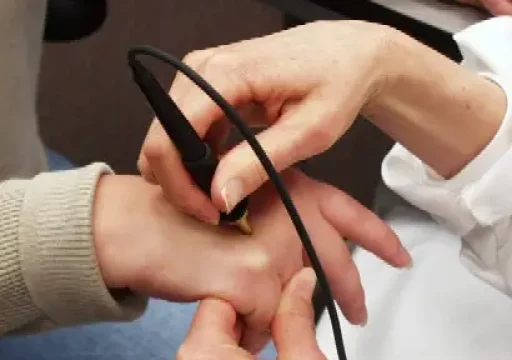
Electrodermal screening is based on measuring electrical signals from your skin, especially on your hands and feet. When using an electrodermal screening device, a low electrical current is applied to different points, and the way your skin responds helps gather information. These points often line up with areas that correspond to traditional acupuncture meridians. With bioresonance electrodermal testing, the focus is on exploring how your body responds at these points, which may reflect subtle shifts in your body’s bioenergetic state.
For some, this method is an opportunity to gain new insights into internal balance, particularly when seeking a more integrative perspective. Methods such as computerized electrodermal screening introduce digital elements, adding data analysis to the process, much like what has developed in bioresonance testing over the years. BioScan offers a non-invasive way to gather insights about internal balance and potential areas of energetic stress, helping guide personalized wellness choices.
The Role of Bioenergetics
Bioenergetics plays a central role in the theory behind electrodermal screening. According to proponents, the flow of electrical signals at the surface of your skin can reflect changes or patterns in your overall bioenergetic state. Electrodermal screening devices work from the belief that these flows carry meaningful information about your body’s current balance. Some approaches, like bioresonance electrodermal testing, look at how external influences might affect these subtle energy patterns.
Over time, different types of electrodermal screening machines have built on this idea, attempting to provide more detailed data about your energetic status. For those interested in holistic perspectives, this can be seen as another way of looking at the body’s responses to the environment and stressors, bringing a different layer of insight to personal health monitoring and self-awareness.
Historical Foundations
The exploration into the electrical properties of the skin has roots stretching back to the early 20th century. Initially, researchers were interested in measuring skin resistance, often linked to sweat production, as a way to understand physiological responses. This early work laid the groundwork for later developments, suggesting that the skin’s electrical characteristics could offer insights into the body’s internal state. These initial investigations, sometimes referred to as Galvanic Skin Testing, focused on how electrical conductivity changed, providing a basic, yet significant, understanding of the body’s electrical surface.
Dr. Reinold Voll’s Contributions
Dr. Reinold Voll, a physician from Germany, significantly advanced the field in the 1950s. He observed that specific points on the skin, which corresponded to traditional acupuncture pathways, exhibited different electrical resistance compared to other areas. Dr. Voll developed instruments to measure these differences, noting that healthy individuals typically showed a standard reading at these points. Deviations from this norm, whether higher or lower, were interpreted as indicators of potential tissue inflammation or fatigue, respectively. His work combined established acupuncture principles with these new electrical measurements, leading to a novel approach.
The Evolution to Electro-Acupuncture According to Voll (EAV)
Dr. Voll’s methods and the devices he created became known collectively as Electro-Acupuncture According to Voll, or EAV. This system is also recognized today as electrodermal screening (EDS). The practice involves measuring electrical resistance at specific points, often located on the hands and feet. These points are thought to relate to different organs and tissues within the body. By using these measured points, practitioners aim to gather information about the body’s energetic balance. The development of EAV marked a significant step in applying electrical measurements to assess bodily states, and it continues to be a subject of interest in complementary health practices.
The Science Behind Electrodermal Activity
Electrodermal activity, often shortened to EDA, refers to the way your skin’s electrical properties change. These changes can tell you a lot about the body’s natural processes. Your skin doesn’t always conduct electricity in the same way. When the body responds to certain internal or external events, sweat glands in the skin shift how electricity moves along the surface. This is why EDA can be measured and studied with specialized devices.
Galvanic Skin Response
One of the best-known aspects of electrodermal activity is the galvanic skin response. This describes the change in skin conductance when your body reacts to something, like stress or excitement. To measure this, small sensors are placed on the skin, usually on the palms or fingers. When the sweat glands become active, electrical conductance increases, which is picked up by the device. Even though you might not notice sweating, these responses happen all the time, sometimes just a few seconds after a strong thought or emotion. Modern equipment can track very subtle changes in conductance, making it possible to study these processes closely.
Sympathetic Nervous System
Your body’s sympathetic nervous system is a big part of why EDA is possible. This system is the part of your nerves that gets you ready for action, whether you need to run, focus, or handle sudden changes. When it kicks in, sweat glands under your skin become more active, even if you don’t feel sweaty. This activity makes your skin more responsive to electrical current, which is what the EDA devices measure. Because the sympathetic nervous system is closely related to how you react emotionally and physically, EDA is often viewed as a window into how the body responds under different conditions.
Electrodermal Screening in Practice
When you undergo an electrodermal screening session, a practitioner will typically use a specialized device. This instrument is designed to measure the electrical properties of your skin. A small, low-level electrical current is passed through the body, usually via a handheld stylus and a metal plate or cylinder that you hold. The device then registers the resistance or conductance at various points on the skin, often corresponding to traditional acupuncture points. These measurements are thought to reflect the energetic state of different organs and systems within the body. The process is generally non-invasive and aims to provide insights into your overall energetic balance.
It’s important to note that the accuracy of the readings can depend on several factors, including the skill of the practitioner and the specific equipment used. Some practitioners may also use this method to assess how your body responds to different substances, such as nutritional supplements or other wellness products, by observing changes in the electrical readings when these items are introduced into the circuit. This approach is part of a broader interest in how the body’s electrical system relates to well-being, a field that has seen ongoing exploration and development over the years.

Interpreting Electrodermal Screening Data
Interpreting the data from an electrodermal screening session involves looking at the electrical readings obtained at various points on the body. They are viewed as indicators of energetic balance or imbalance within the body’s systems. A practitioner will compare the measurements taken at specific points to established reference ranges or patterns. Deviations from these norms might suggest areas where the body’s energy flow is perceived to be less optimal. For instance, a reading that is significantly higher or lower than expected at a particular point might be associated with a corresponding organ or system showing signs of energetic stress.
The practitioner uses this information, alongside other observations and your personal health history, to form a picture of your energetic state. The goal is to identify potential areas that might benefit from support, guiding choices related to lifestyle or complementary wellness approaches. It’s a nuanced process that relies on the practitioner’s training and experience in understanding these energetic signals.
Applications in Holistic Health and Wellness
Electrodermal screening finds its place within the broader landscape of holistic health and wellness practices. It is often employed by practitioners who focus on the interconnectedness of the body’s physical, mental, and energetic aspects. Rather than focusing on isolated symptoms, this approach seeks to understand the underlying energetic patterns that may influence overall well-being. For example, a practitioner might use electrodermal screening to explore how different lifestyle factors, such as diet or stress levels, might be affecting your energetic balance.
It can also be used as a tool to gauge your body’s response to various natural products or interventions, helping to identify which might be most supportive for you. The information gathered is intended to guide personalized wellness strategies, aiming to promote a state of greater harmony and vitality. This method is seen as a way to gain additional insights into your body’s energetic landscape, complementing other wellness-focused practices.
Factors Influencing Electrodermal Screening Results
When you undergo electrodermal screening, it’s important to remember that the environment plays a role. Things like the temperature and humidity in the room can actually affect the readings. If it’s too hot or too cold, or if the air is very damp or very dry, you might see variations in the measurements. These external conditions can influence the skin’s electrical properties, leading to results that might seem inconsistent if these factors aren’t taken into account. It’s a bit like trying to measure something delicate on a windy day – the conditions themselves can introduce noise.
Internal Physiological Factors
Beyond the environment, your own body’s internal state is a big part of the picture. What you’ve eaten or drunk, for instance, can make a difference. Hydration levels are particularly important, as they directly impact the body’s electrical conductivity. Even medications you might be taking can alter your physiological responses. It’s also worth noting that different parts of the body can respond differently.
For example, measurements taken on your left wrist might reflect different underlying influences than those taken on your right wrist, partly because different areas of the brain are involved. This means the skin’s electrical activity isn’t uniform across the entire body; it varies based on sweat gland density and the specific neural pathways being activated. Previous research indicates that variations in electrodermal activity are linked to different psychological states and cognitive processes, suggesting EDA is a sensitive measure for understanding internal responses.
The Significance of Operator Skill
Finally, the person conducting the electrodermal screening session, the operator, is also a significant factor. Their skill in using the equipment, their understanding of how to interpret the subtle signals, and their ability to create a consistent and calm testing environment all contribute to the reliability of the results. A skilled operator can help minimize the impact of external and internal variables, ensuring that the data gathered is as accurate and meaningful as possible. They are trained to notice and account for potential influences that might otherwise skew the readings.

The Landscape of Electrodermal Screening Devices
The journey of electrodermal screening (EDS) devices began with early observations of electrical properties in the skin. These initial explorations laid the groundwork for more sophisticated instruments. Dr. Reinold Voll’s work was particularly significant, leading to the development of devices that aimed to measure electrical resistance at specific points on the body, often correlating these measurements with traditional acupuncture points. Early models, like the Dermatron, were relatively simple, featuring gauges, dials, and wired components. A small electrical current would pass from the device, through a handheld metal cylinder, and then via a probe to points on the patient’s body. These early instruments were the precursors to the technology used today.
Technological Advancements in EDS Devices
Over time, the technology behind EDS devices has seen considerable advancement. What started as basic resistance measurement tools has evolved into more complex systems. Modern instruments often incorporate digital readouts and more refined circuitry, aiming for greater precision and consistency in readings. The design and functionality have adapted, moving beyond the initial concepts to explore new ways of interacting with the body’s electrical signals. These developments reflect a continuous effort to refine the measurement process and the interpretation of the data gathered.
Regulatory Considerations
As with many technologies that interface with the body’s physiological responses, electrodermal screening tools are subject to various considerations. The scientific community and regulatory bodies often examine the methodologies and claims associated with these devices. The interpretation of results and the application of the technology often fall within complementary and alternative health approaches. Therefore, users and practitioners should be aware of the context in which these devices are used and the regulatory landscape surrounding them.
Electrodermal Screening and Complementary Therapies
Electrodermal screening (EDS) often works alongside the principles of acupuncture meridian theory. This ancient system maps out pathways in the body through which vital energy, or Qi, is believed to flow. Practitioners using EDS observe that specific points along these meridians exhibit unique electrical properties. By measuring the electrical conductivity at these points, EDS aims to provide insights into the energetic balance within the body’s meridian system. This approach suggests that disruptions or imbalances in the flow of energy along these pathways might be reflected in the electrical readings obtained during a screening session. The connection to acupuncture points allows for a way to explore energetic patterns that are central to many traditional healing practices.
Assessing Responses to Supplements and Remedies
One of the ways electrodermal screening is utilized in complementary health is by observing the body’s energetic response to various substances. During a session, a practitioner might introduce a sample of a supplement, herb, or other remedy into the electrical circuit. The EDS device then measures any changes in the electrical conductivity at specific points on the body. A shift in the readings is interpreted as the body’s energetic reaction to that particular substance.
Frequently Asked Questions
What exactly is Electrodermal Screening (EDS)?
Electrodermal Screening, also known as EDS, is a method that uses a special device to measure the electrical resistance of your skin at different points on your body. Think of it like checking how easily electricity can flow through your skin. It’s believed to give insights into your body’s energy flow and more about how your body’s energy systems are working.
Who developed this method, and how did it start?
The roots of EDS go back to the work of Dr. Reinold Voll, a German doctor in the 1950s. He noticed that certain points on the body, known as acupuncture points, had different electrical resistance. He created a tool to measure these points, finding that healthy people had typical readings. Deviations from these readings suggested inflammation or fatigue in related body areas.
How is an EDS session typically conducted?
During an EDS session, a practitioner will use a device with electrodes. Usually, one electrode is placed on a specific point on your hand or foot, while the other is held by you or placed on a different spot. A very small electrical current is passed through these points, and the device measures the skin’s reaction to this current.
What factors can affect the results of an Electrodermal Screening test?
Several things can influence the readings you get from EDS. These include things in your environment, like temperature, and internal body conditions, such as how hydrated you are or if you’re taking any medications. The skill and experience of the person performing the test also play a significant role in how the results are interpreted.
Can EDS be used alongside other health practices?
Yes, EDS is often used as part of a holistic approach to health. It’s sometimes combined with practices like acupuncture, as it measures along similar energy pathways in the body. Practitioners might also use it to see how your body responds to different supplements or remedies, helping to find what might best support your well-being.
Understanding Electrodermal Screening
While its origins trace back to early observations of skin’s electrical properties and its connection to acupuncture points by figures like Dr. Reinold Voll, it’s important to note that EDS is typically not an allopathic tool. The information it provides relates to the body’s bioenergetics. As you consider its place in healthcare, remember that various factors can influence the interpretation of EDS results, and its application is a subject of ongoing discussion within the professional community.